
Exercise Training Using Super Sets

by Paula Allia PT, DHSc, MTC, OCS
There are several different methods to use when one wants to participate in exercise training. No matter what level, movement is necessary to work the muscles and joints. Active motion incorporates the contractions of skeletal muscles which pull on the bones and ultimately move and limber the joints by increasing blood circulation and warming the fluid around the joints in order to allow more fluid movement while decreasing stiffness from cold unexercised joints.
Training can be done that focuses on certain muscles while exercising to fatigue then providing 2-3 minutes of recovery time before repeating the same exercise. Up to 4-7 sets are typically done using this method. The long pause in between is for recovery time.
The one problem with this method is the time between sets. Typically, most people do not have extended amounts of time for training so this would limit the number of different exercises one can do in one session.
Many people actually train with trainers. The same method mentioned may be used but then there is time between sets that may feel wasted. An alternative is using super sets.
One of the best methods to use is super-set training. This method utilizes consecutive set exercises performed with the majority of muscles being used to be different than the first set done. Usually this is done using only two specific exercises. By doing this, there is a significant decrease in rest time between these two sets. These two exercises are repeated for 3-4 sets. The muscles are thus challenged and there is more work completed in a certain amount of time.
This means that there is an increase in training density. Increased breaths and heart rate increase along with oxygen consumption. This higher training density allows for a faster more productive workout which will overall improve fitness and cardiovascular responses to the muscles being used.
Some super sets can be done where the muscles on the opposite sides of the joint are used for alternate sets. Reciprocal inhibition will assist in resting the opposite muscles that are being worked with the focus being on the active working set. Rest to the non-working muscles allows for blood flow to carry away the waste products from the exercise.
The following are some examples of supersets:
- Chest press and prone or bend over flys
- Biceps curls and triceps extensions
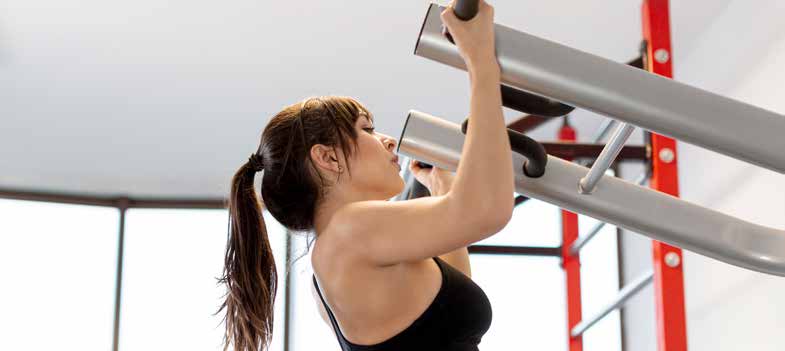
- Dips and pull ups
- Knee extensions and hamstring curls
In summary, there is a lot of work performed by muscles in supersets while less time between sets is used. Maximal effort teaches the body to work and improve performance with maximal effort. The body will still feel muscle soreness and fatigue but the end result will be improved fitness being achieved with the time between exercises significantly less. If you have limited time, consider these supersets to boost your results. There is always time for at least one super set!
Here’s to your strength and endurance!


Leave a Reply
Want to join the discussion?Feel free to contribute!