
Elevating Cancer Care: A New Era of Integrative Regenerative Support
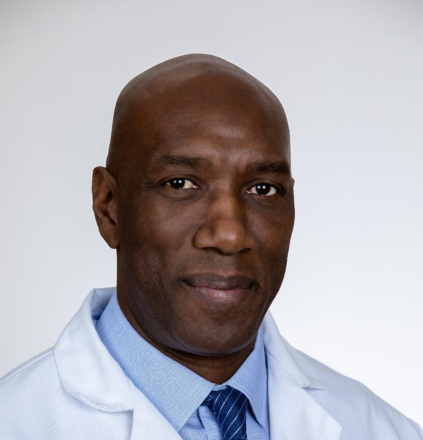
by Dr. Joaquin Hernandez, NP
In today’s evolving medical landscape, cancer treatment has become increasingly advanced, offering patients more hope than ever before. Yet for many individuals undergoing chemotherapy, radiation, or surgery, the journey is often accompanied by fatigue, weakness, and a profound sense of depletion. At Sagewood Institute in Naples, a new approach is emerging—one that focuses not only on treating disease, but on supporting the body through the process of healing.
The Integrative Regenerative Oncology Support Program at Sagewood Institute is designed to complement conventional cancer care by addressing the physical and functional challenges patients experience during and after treatment. Rather than positioning itself as an alternative, the program is rooted in collaboration—working alongside oncologists to enhance quality of life, promote recovery, and help patients feel stronger and more resilient.
“Cancer therapy can be lifesaving, but it can also be physically taxing,” explains the clinical team at Sagewood Institute. “Our goal is to support the body during this time—helping patients maintain energy, improve hydration, and recover more effectively.”
At the core of the program is a personalized, physician guided approach. Each patient undergoes a comprehensive evaluation, allowing therapies to be tailored to their specific condition, treatment phase, and overall health status. This level of customization is essential, as no two cancer journeys are alike. Among the therapies offered is IV nutrient therapy, which delivers carefully selected vitamins, minerals, and antioxidants directly into the bloodstream. This approach can help replenish depleted nutrients, support energy production, and promote hydration—key factors for patients experiencing fatigue and weakness.
Another innovative component is Platelet-Rich Plasma (PRP), a regenerative therapy that utilizes the body’s own healing factors. PRP is commonly used to support hair restoration following chemotherapy, as well as tissue repair and skin rejuvenation after treatment.
The program also incorporates advanced supportive therapies such as ozone therapy and CO₂ (carboxytherapy), both of which are designed to enhance oxygen utilization and improve circulation. These modalities may assist in tissue recovery, reduce discomfort, and support the body’s natural healing processes—particularly in patients recovering from radiation or surgery.
Recognizing that cancer treatments often leave the skin dry, sensitive, and compromised, Sagewood Institute also offers a dedicated oncology skincare program. This includes a luxurious, clinically proven line of gentle, medical-grade skincare products specifically formulated for patients undergoing or recovering from treatment. Designed to calm inflammation, restore hydration, and support the skin’s natural barrier, these products provide both therapeutic benefit and a sense of comfort during a challenging time.
What distinguishes Sagewood Institute’s approach is its emphasis on safety, discretion, and medical integrity. All therapies are delivered using conservative, evidence-informed protocols, and patients are encouraged to remain under the care of their oncology team. This commitment to collaboration ensures that every aspect of care is aligned with the patient’s primary treatment plan. Beyond the physical benefits, the program also addresses something equally important: the patient’s sense of control and well-being. By offering supportive care options in a refined, patient-centered environment, Sagewood Institute provides individuals with an opportunity to actively participate in their recovery journey.
In a community like Naples—where wellness, longevity, and quality of life are deeply valued—this integrative model represents a meaningful advancement in care. It reflects a growing recognition that healing is not solely about eliminating disease, but about supporting the whole person through every stage of the experience.
As cancer care continues to evolve, programs like this are helping redefine what it means to truly support patients—not just in surviving, but in recovering with strength, dignity, and vitality.
Leave a Reply
Want to join the discussion?Feel free to contribute!