
HELP A DIABETIC CHILD RECEIVES COLLIER COMMUNITY FOUNDATION GRANT
HELP A DIABETIC CHILD RECEIVES COLLIER COMMUNITY FOUNDATION GRANT TO SUPPORT CHILDREN AND YOUNG ADULTS
Help a Diabetic Child (HADC), a nonprofit organization dedicated to helping children and families who are dealing with diabetes, has been awarded a $25,000 grant from the Collier Community Foundation. This grant will benefit local families in need in securing life-saving insulin, diabetes medical supplies, services and education.
Type 1 Diabetes is a chronic (life-long) autoimmune disease in which the pancreas cannot produce enough insulin to naturally regulate the body’s blood sugar, leaving diagnosed individuals with a life-long dependency on costly medical insulin. Without daily insulin injections and blood sugar monitoring, a child can only survive a few days.
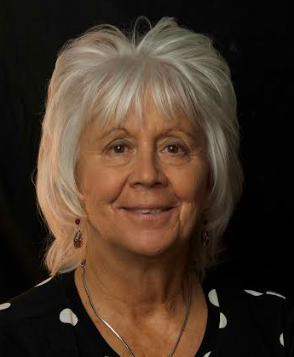
“We are grateful to the Collier Community Foundation for their continued support of families in our community who struggle with the rising costs of diabetes,” said Tami Balavage, (FEATURED PHOTO) Founder/President for Help a Diabetic Child. “In addition to insulin and medical supplies, this latest grant includes Endocrinology and Emotional Support visits.”
The Collier Community Foundation is a tax-exempt, public, charitable foundation, established in 1985 to increase private philanthropy in Collier County. It awards grants through a competitive application and review process. Selected organizations receive grant dollars from the “Collier Forever Fund,” which is made up of donors who believe in the Foundation’s ability to identify and support the community’s most current needs.
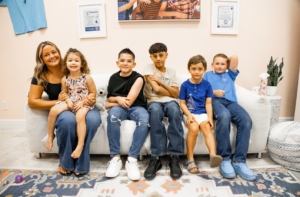 HADC supports underserved children, young adults and their families in Southwest Florida who live with Type 1 diabetes and cannot afford insulin, diabetes medical supplies and medical services. It was founded in Naples in 2013 by Tami Balavage after her 16-year-old son was diagnosed with the disease. It quickly became evident that there were a significant number of children who were unable to get adequate medical supplies for blood glucose testing and insulin injections, which must be done multiple times daily. According to the Centers for Disease Control and Prevention’s National Diabetes Statistics Report, an estimated 40.1 million people (about 12 percent of the U.S. population) are living with diagnosed or undiagnosed diabetes. In addition, an estimated 115.2 million Americans over the age of 18 and older have prediabetes.
Youth cases of diabetes are growing most sharply among diverse populations. One study by the Colorado School of Public Health found that diagnosed Type 2 diabetes cases among U.S. children and teens aged 10 to 19 surged nearly tenfold between 2002 and 2023. New cases of Type 1 diabetes are rising by approximately 2 percent each year.
For additional information or to support HADC’s mission of providing life-saving supplies and services, please call 239-821-5051 or visit www.helpadiabeticchild.org.

Leave a Reply
Want to join the discussion?Feel free to contribute!